Today: 9:00AM - 8:00PM
Blog / Kia Certified Service

Is Your Kia Riding Rougher Than It Used To?

Kia Suspension
A familiar road can help you notice changes in your Kia. Maybe the body keeps bouncing after a dip, bumps feel harsher, or a new clunk appears when you cross uneven pavement. These changes warrant an inspection, but they don’t identify which part needs repair.

Kia suspension service starts with evaluating the symptoms and checking the components that control wheel movement and ride comfort. At Planet Kia Charlotte, describing what has changed helps the service team investigate the cause.

Pay Attention to Bouncing After a Bump

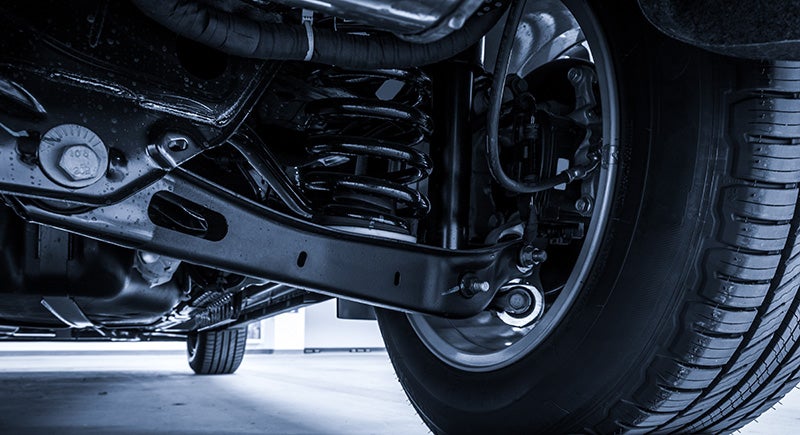
Your suspension’s springs support the vehicle, while shocks or struts help control spring movement. Depending on the model and suspension design, your Kia may use different components at the front and rear.

If the vehicle continues bouncing after a bump, its suspension may not be controlling that movement effectively. You might also notice more body motion when braking or traveling over rolling pavement.

However, ride comfort can also change with tire pressure, tire condition, or the weight you’re carrying. An inspection should account for those factors before a technician recommends Kia strut replacement.

Describe Where and When You Hear Clunks

A clunk over a speed bump can come from several places. Strut mounts, stabilizer links, bushings, or other worn or loose components may need attention.

Try to describe whether the sound comes from the front or rear and whether it happens on one side. Also mention if it occurs while turning, braking, or crossing bumps at low speed.

You don’t need to name the failed part. A description such as “a front-right clunk over driveway entrances” gives the technician a useful starting point.

A Harsher Ride Doesn’t Always Mean Worn Struts

Shocks and struts are only part of the suspension system. Tires, springs, mounts, and suspension joints can also affect how a vehicle feels.
Tell your service advisor if the change followed a pothole impact, tire replacement, or another repair. Mention any vibration, uneven tire wear, or change in steering behavior.
If handling becomes unstable or you see a damaged tire, arrange an inspection promptly and avoid continuing to drive a vehicle that feels unsafe.

What Technicians Check Before Recommending Repairs

A suspension evaluation may begin with a road test to reproduce the concern. The technician can then check tire pressure and condition, inspect shocks or struts for damage or leakage, and examine mounts, springs, bushings, links, and joints.

They may also check for looseness and uneven wear. No single observation tells the whole story, so the recommendation should connect the inspection findings with your symptoms.

Before authorizing repairs, ask which component needs attention and why. If strut replacement is recommended, ask whether related mounts need service and whether the repair requires an alignment check.

Schedule a Suspension Inspection in Charlotte

You don’t have to wait until every bump becomes uncomfortable. If your Kia is bouncing more, making new noises, or riding differently, schedule a suspension inspection at Planet Kia Charlotte.

Share when the symptoms started and the conditions that make them noticeable. Those details help the service team recommend repairs based on what they find.

Posted in:

Related Posts

Kia Mechanic

Your Kia Has Reached 60,000 Miles. What Service Is Actually Due?

Reaching 60,000 miles is a useful time to review your Kia’s maintenance needs. However, the odometer alone doesn’t determine which parts or fluids need replacement. Kia 60000 mile service depends on your model, model year, engine, vehicle age, and driving conditions. Your maintenance schedule and service records help identify what’s due, what needs inspection, and what you’ve already completed. Start With the Schedule for Your Specific Kia Use the maintenance section of your owner’s manual for your exact vehicle. A gasoline-powered Sportage, Sorento Hybrid, and electric EV6 have different systems and maintenance requirements. Even vehicles with the same model name can have different schedules because of engine choices or model-year changes. Spark plugs, transmission fluid, coolant, and other items shouldn’t receive a universal replacement interval. Also, check time limits. Some maintenance becomes due after a certain number of months or years, even if you haven’t reached the listed mileage. When the schedule specifies both, follow whichever comes first. Separate Replacements From Inspections Your Kia maintenance schedule distinguishes between items that need replacement and those that need inspection. Those instructions serve different purposes. A scheduled replacement means the applicable mileage or time interval has arrived. An inspection means a technician checks the item and recommends work based on its condition and the manufacturer’s guidance. For example, an inspection of brakes, tires, belts, or suspension components doesn’t automatically mean they need replacement. Ask your service advisor to explain any findings, including measurements or visible damage where relevant. This helps you understand why a repair is being recommended instead of treating every item on a maintenance checklist as a replacement. Check Whether Your Driving Calls for a Different Schedule Many Kia manuals include separate maintenance guidance for severe use. Depending on the vehicle, qualifying conditions may include frequent short trips, extended idling, heavy traffic, dusty roads, or regular towing. A Charlotte commute with substantial stop-and-go traffic may deserve a closer look at those definitions. However, don’t assume every local driver follows the same schedule. Describe your typical trips to the service advisor. Include how far you drive, whether you tow, and how often the vehicle encounters dust or long periods of idling. Then compare that use with your manual’s specific criteria. Give Credit for Work Already Completed Bring receipts or service records to your appointment. If a filter, fluid, or other maintenance item was recently replaced, that work should be considered before recommending it again. Check the date and mileage on each record. An oil change receipt, for example, doesn’t necessarily show that transmission fluid or coolant was serviced during the same visit. If the history is incomplete, tell the advisor what you know. The team can review available records and explain how missing information affects the recommendation. Ask for a Clear Service Breakdown Before authorizing work, ask which items are scheduled replacements, which are inspection findings, and which are optional recommendations. For any proposed fluid service, ask how it relates to your vehicle’s maintenance schedule. Schedule a maintenance review at Planet Kia Charlotte when your Kia approaches 60,000 miles. With the correct schedule and your service history, you can plan the work your vehicle needs with a clearer understanding of what’s due.

Engine Coolant

When Your Kia Starts Running Too Hot: Spot the Warning Signs Early 

An overheating engine is one of the few vehicle problems that calls for immediate attention. Catching it early can help prevent damage and keep a relatively simple repair from becoming a major one. If you're driving around Charlotte, NC, and your Kia's temperature gauge begins climbing higher than normal, it's time to take notice. Pull Over Before Damage Begins If your Kia starts overheating, find a safe place to stop as soon as traffic conditions allow. Switch off the air conditioning to reduce the load on the engine. If the temperature continues rising, turning on the cabin heater can help draw heat away from the engine. Once you've stopped, switch the engine off and allow it to cool naturally. Avoid opening the radiator cap while the engine is still hot, as the cooling system remains pressurized and can release extremely hot coolant. After the engine has cooled, check the coolant reservoir. A low coolant level may point to the source of the problem, though it rarely tells the whole story. What Causes an Engine to Overheat? A cooling system relies on several components working together. If one part stops doing its job, engine temperatures can rise quickly. Low coolant is one of the most common causes and is often linked to a leak somewhere in the system. A thermostat that no longer opens properly can restrict coolant flow, while a worn water pump may no longer circulate coolant efficiently. A blocked radiator, damaged radiator cap, failing cooling fan, or deteriorated hose can all contribute to overheating. In more serious cases, a failed head gasket may be responsible. Routine inspections at Planet Kia Charlotte help identify many of these issues before they leave you stranded. Don't Delay a Cooling System Inspection Even if your Kia returns to a normal operating temperature after cooling down, the cause still needs to be identified. Continuing to drive with an unresolved cooling system problem increases the risk of engine damage and more extensive repairs. A professional cooling system inspection can identify coolant leaks, test system pressure, inspect the thermostat, evaluate the radiator, and confirm the water pump and cooling fan are operating correctly. If you're already visiting for scheduled maintenance, it's also a convenient time to inspect belts, hoses, and other components that contribute to reliable engine operation. Help Keep Your Kia Ready for Every Drive Keeping your cooling system in good condition is one of the simplest ways to support long-term engine reliability. Checking coolant levels, replacing coolant at the recommended service intervals, and inspecting cooling system components during routine maintenance all help your Kia perform as intended. If you've noticed signs of engine overheating in Charlotte, visit Planet Kia Charlotte for a complete cooling system inspection. Our technicians can diagnose the cause, recommend the appropriate repair, and help keep your Kia ready for the road ahead. Schedule your service appointment online today.

tire pressure light

Why Does My Kia Keep Losing Tire Pressure? A Guide to Slow Tire Leaks 

Adding air to a tire every few days can feel like a temporary solution, but it rarely solves the real problem. If your Kia's tire pressure warning light continues to return, there's a good chance you're dealing with a slow tire leak. While it may not leave you stranded the way a sudden flat tire can, it deserves prompt attention to help protect your tires, handling, and overall driving experience. For drivers around Charlotte, NC, identifying the source of a slow leak early can help prevent uneven tire wear and extend the life of your tires. What Is a Slow Tire Leak? A slow tire leak allows air to escape gradually over time instead of all at once. You may notice one tire consistently reading lower than the others, even after you've inflated it to the recommended pressure. Your Kia's Tire Pressure Monitoring System (TPMS) will often detect the pressure loss before it's noticeable while driving. Maintaining proper tire pressure helps support predictable handling, braking performance, and even tire wear. It also helps your Kia perform the way it was engineered to. Several Small Problems Can Lead to Air Loss A nail, screw, or another piece of road debris lodged in the tread is one of the most common causes of a slow leak. Since the object often remains in place, air escapes gradually instead of rushing out all at once. The valve stem is another area worth inspecting. Over time, rubber valve stems can crack, while metal stems may develop corrosion or loose components that allow air to escape little by little. Damage to the wheel can also create a slow leak. A pothole or curb impact may leave a slight bend in the wheel, while corrosion around the bead seat can prevent the tire from sealing properly against the rim. In some cases, the tire bead itself can lose its seal due to age, contamination, or an earlier tire installation. Each of these conditions requires a different repair, making a professional inspection the most reliable way to identify the source. Finding the Leak Before It Gets Worse If one tire repeatedly loses pressure, checking all four tires with a quality pressure gauge is a good place to start. A consistent difference between one tire and the others usually points toward the affected wheel. A service technician can locate the leak using specialized equipment, including an air leak test or a soapy solution that reveals escaping air. Identifying the precise location helps determine if the tire can be repaired or if another component needs attention. While you're visiting for tire service, it's also a good opportunity to have your alignment, tire rotation, and overall tire condition inspected to help maximize tread life. Choosing the Right Repair The proper repair depends on what's causing the leak. A puncture within the repairable portion of the tread can often be fixed using an industry-approved patch-and-plug repair performed from inside the tire. If the valve stem is leaking, replacing it is typically a straightforward repair. Wheel corrosion or bead sealing concerns may require the tire to be removed, the sealing surfaces cleaned, and the tire remounted. Some tires cannot be repaired safely. Sidewall damage, punctures near the outer shoulder, or tires driven while severely underinflated often require replacement to help maintain safe driving performance. Keep Your Kia Ready for the Road Ahead Finding the source early allows the problem to be corrected before additional issues develop. If your Kia continues losing tire pressure around Charlotte, visit Planet Kia Charlotte for a professional inspection. Our service team can diagnose the cause, recommend the appropriate repair, and help keep your Kia performing at its best. Schedule your service appointment online today.